


Butterfly valve decisions show up quickly on a plant’s P&ID: they influence pressure drop, automation strategy, maintenance windows, and the total installed cost of a line. For B2B operators in water treatment, chemical processing, HVAC, food and beverage, and OEM skid manufacturing, the appeal is not just “a cheaper valve,” but a compact quarter-turn device that can be standardized across multiple services with predictable performance and straightforward actuation.
Below is a practical, operations-focused look at where butterfly valves create measurable value, how to specify them responsibly, and what procurement and reliability teams should verify before rolling them into a site standard.
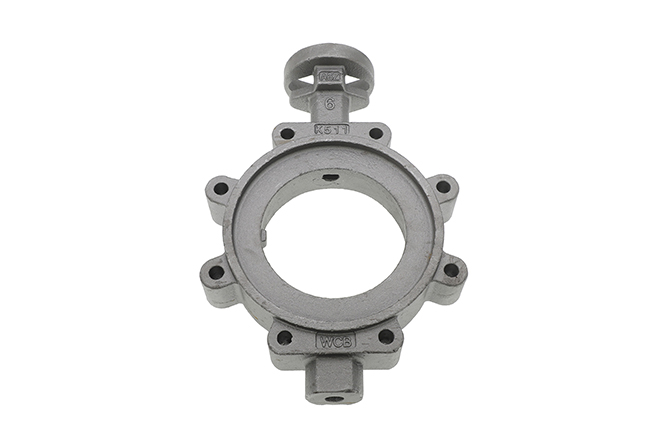
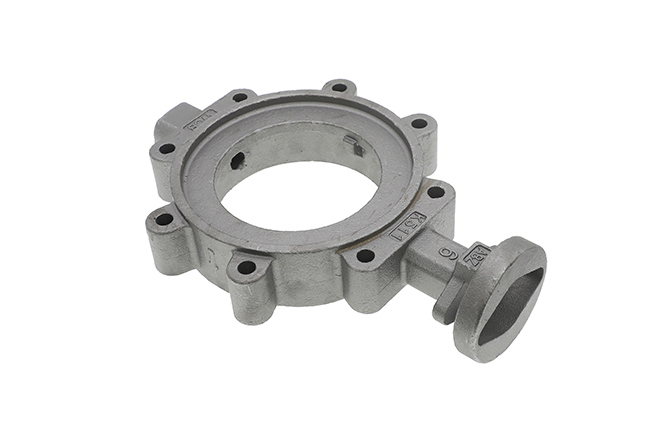
Reduce lifecycle cost with quarter-turn isolation for industrial distribution headers
In large distribution headers, the business case often starts with installed footprint and labor. Compared with many multi-turn alternatives, butterfly valves are lighter and shorter face-to-face, which can reduce support steel, simplify spool design, and speed up installation on new builds or turnarounds. On municipal and industrial water lines, for example, maintenance teams often prefer the ability to isolate a section quickly with a quarter-turn action, especially where valves are cycled frequently during flushing, filter backwash, or seasonal changeovers.
From a reliability perspective, fewer turns typically means fewer opportunities for operator error during line-ups, and the visual position feedback of a lever or actuator is easier to audit during shift handovers.
Specify correctly by mapping service conditions to seat, body, and disc materials
Butterfly valves perform well when the materials match the media and temperature. A soft-seated valve can deliver tight shutoff for clean water, compressed air, and many HVAC services; a metal-seated design is better suited when elevated temperature, abrasive particles, or high-cycle throttling would shorten elastomer life. In chemical plants, this selection step is where responsible engineering matters most: compatibility checks for elastomers (EPDM, NBR, FKM) and linings (PTFE, PFA) should be treated as a formal review item, not a “similar to last time” assumption.
Concrete example: a packaged CIP skid for food and beverage may prioritize hygienic surfaces and reliable shutoff at moderate temperature, while a brine or caustic line may demand corrosion-resistant alloys and a verified seat chemistry. For B2B buyers, documenting these decisions helps reduce future disputes over premature wear and creates consistency across suppliers.
Standardize line sizing decisions using 3 butterfly valve and 6 butterfly valve applications you can defend
Standard sizes are where butterfly valves become a procurement advantage. A compact b is commonly used on utility branches, OEM skids, and equipment tie-ins where space is limited and accessibility matters. A 6 butterfly valve, by contrast, is a frequent choice for higher-flow services such as cooling water loops, washdown mains, and intermediate process transfer lines where the valve’s low weight reduces handling risk during installation.
To keep sizing defensible, engineering teams typically align nominal pipe size with required flow rate, allowable pressure drop, and the desired control range if throttling is involved. When the valve will do more than simple isolation, request flow coefficients or performance curves from the manufacturer and verify that the expected operating point is not at the very edge of the controllable range.
Improve uptime by selecting high-performance offsets for demanding throttling duty
Not all butterfly valves behave the same under frequent cycling. Concentric designs are common and cost-effective for general duty, but double-offset and triple-offset designs reduce seat rubbing and can extend service life in higher pressure or higher cycle applications. In practical terms, this can mean fewer unplanned interventions on lines that run 24/7, such as cooling tower bypass control, recirculation loops, or utility balancing in large facilities.
A useful rule for operations teams: if a valve is expected to throttle often, specify for that duty explicitly (service description, expected cycles, and pressure/temperature ranges) and ensure the actuator and positioner are selected for stable modulation rather than just open/close torque.
Accelerate automation projects with actuator-ready designs and predictable torque margins
For B2B sites modernizing utilities or adding process analytics, butterfly valves integrate cleanly into automated architectures. Pneumatic and electric actuators can be paired with limit switches, solenoids, and positioners to support remote isolation, interlocks, and control strategies. What matters in a rigorous specification is torque: calculate required torque across the full pressure differential and include a realistic margin for seat wear, temperature variation, and possible debris.
On larger diameters, gear operators or actuators reduce manual handling risk and improve repeatability. This is also where standardization helps: using a consistent actuator interface and a small set of spares can reduce downtime when a positioner fails or a solenoid needs replacement during a short maintenance window.
Prevent avoidable failures by commissioning for alignment, disc clearance, and clean shutdown
Many butterfly valve problems are not design defects; they are installation and commissioning gaps. Disc-to-pipe interference can occur if flange alignment is poor or gaskets intrude into the bore. Before startup, verify disc clearance through the full stroke, confirm correct centering between flanges (especially for wafer styles), and ensure the valve is not used as a “piping alignment tool” during fit-up.
In services where solids or scale are expected, plan cleaning and flushing procedures that protect the seat. If the valve is used for throttling, avoid operating at extreme near-closed positions for long periods unless the valve is explicitly rated for that control behavior.
Build a responsible procurement checklist that supports multi-site consistency
To keep purchasing and engineering aligned, treat butterfly valves like any other critical commodity with a defined standard. Typical B2B checklist items include: applicable standards (such as API 609 or EN 593), pressure class, face-to-face dimensions, leakage class, material traceability where required, and documentation for elastomer/lining compatibility. For regulated environments, confirm any needed certifications and ensure the supplier can support repeat orders with stable lead times.
Finally, capture lessons learned: which services drive the highest wear, which actuator packages are easiest to maintain, and which spare parts should be stocked. Over time, that feedback loop is what turns a component choice into a reliability program.
Treat Butterfly valve selection as a reliability and standardization decision
Butterfly valves deliver real industrial advantages when they are specified for the actual duty, commissioned carefully, and standardized thoughtfully. With the right materials, offset design, and actuation strategy, they can reduce installed cost, simplify automation, and support dependable operations across a wide range of B2B facilities.


