


Steering knuckle shaft seat performance is one of those details that rarely makes a maintenance report until it does, typically as vibration complaints, accelerated tire wear, or an unscheduled hub/kingpin rebuild. In heavy vehicles, this machined interface sits where steering loads, braking forces, and suspension impacts concentrate, so small deviations in geometry or surface condition can cascade into large reliability and safety consequences.
For engineers, quality teams, and procurement managers, the practical question is straightforward: how do you specify, verify, and support a shaft seat so that the vehicle stays on the road and warranty risk stays controlled?
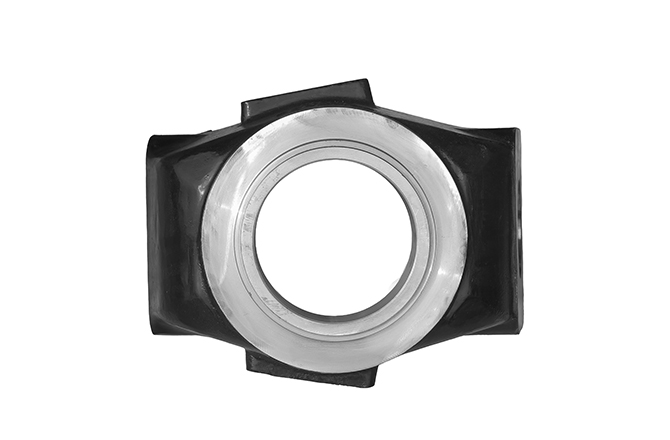
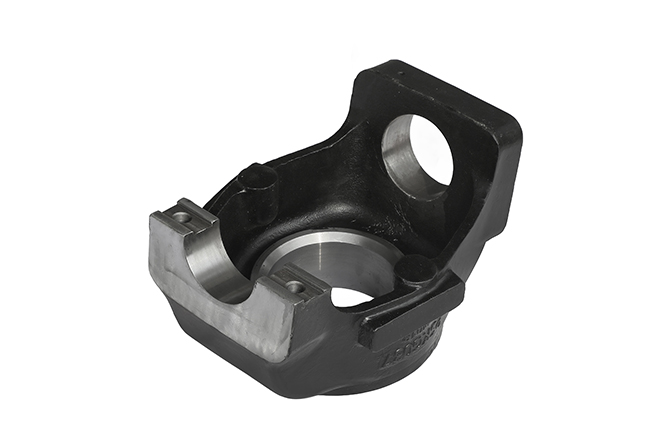
Assess heavy-duty truck steering geometry for shaft-seat load paths
The heavy-duty truck steering knuckle acts as the pivot structure for the front wheel end. It carries the hub/bearing system, supports brake torque reaction, and provides the attachment points that translate steering input into wheel angle. The shaft seat is the precision bore/seat area that locates the kingpin or related pivot elements and establishes alignment between the knuckle, bushings/bearings, and axle end.
In real operating conditions think curb strikes, potholes on loaded routes, and frequent low-speed turning in yards the shaft seat sees cyclical side loads and shock loads. If the seat is out-of-round, misaligned, or poorly finished, the assembly may still pass a quick fit check, yet wear rapidly once contaminants enter or lubrication films break down.
Specify steering knuckle shaft seat manufacturing with stable process controls
Steering knuckle shaft seat manufacturing typically starts with forging (common for higher-strength applications) followed by heat treatment and CNC machining. Two procurement-relevant details matter here: (1) process capability on critical dimensions and (2) traceability from heat/lot to finished part. If a supplier cannot demonstrate stable capability on the shaft seat features, incoming inspection becomes expensive and field exposure increases.
Concrete example: a fleet maintenance program may tolerate cosmetic variation, but it will not tolerate intermittent kingpin press-fit variation that forces technicians to ream or select-fit parts. That kind of variation turns a planned service job into hours of unproductive downtime.
Control steering knuckle machining tolerances to protect fit, alignment, and wear
The most common failure accelerators are not dramatic breaks; they are subtle alignment and fit issues driven by steering knuckle machining tolerances. Key characteristics often include bore diameter, cylindricity, coaxiality between upper/lower seat features, perpendicularity to mounting faces, and location relative to tie-rod/arm interfaces. When these drift, you can see symptoms such as pull, uneven tire wear, or recurring bushing replacement that appears rc "mysterious " but is actually geometric.
From a buyer "s perspective, request a control plan that identifies critical-to-quality (CTQ) features, gauge strategy (including MSA), and a clear reaction plan when capability drops. A supplier who can show consistent Cp/Cpk on the CTQs reduces your incoming inspection burden and your warranty risk.
Validate shaft seat surface finish requirements using IATF-aligned inspections
Even with perfect dimensions, a shaft seat can wear prematurely if the surface is wrong. Shaft seat surface finish requirements influence lubricant retention, bushing bedding, and resistance to fretting. Too rough and the surface acts like an abrasive; too smooth and lubricant films may not stabilize under load, depending on bushing material and lubrication strategy.
This is where IATF 16949 supplier quality practices matter in day-to-day operations: documented inspection methods, calibrated instruments (profilometers where relevant), and disciplined nonconformance handling. Many suppliers also use NDT methods such as magnetic particle inspection or ultrasonic testing to screen for subsurface defects that could propagate under cyclic steering loads.
A practical approach is to align acceptance criteria with the vehicle "s duty cycle. For example, a regional delivery truck with frequent turning and curb interactions may justify tighter control on finish and alignment than a long-haul configuration with lower steering-cycle intensity.
Source automotive OEM suspension components to reduce downtime and total cost
Automotive OEM suspension components are often specified not only for performance but for documentation, traceability, and consistent service outcomes. In procurement, the cost delta between a verified part and a questionable alternative is frequently overwhelmed by the operational cost of a single roadside event: towing, missed delivery windows, and secondary damage to tires, hubs, and brakes.
To make sourcing decisions more measurable, define supplier requirements that match your risk profile: PPAP evidence (where applicable), lot traceability, corrosion protection standards, packaging to prevent bore/seat damage in transit, and clear warranty terms tied to verified installation practices.
Implement aftermarket steering component validation and field-friendly maintenance checks
When you operate in mixed-service environments OEM and non-OEM replacements across regions consistent validation prevents surprises. Aftermarket steering component validation should include dimensional verification on critical features, material/heat-treatment confirmation where possible, and functional fit checks that do not rely on rework at the shop floor.
On the maintenance side, a few disciplined routines improve outcomes without adding complexity:
Measure kingpin/bushing play during scheduled service using a dial indicator and documented limits, not rc "feel. " Trending measurements helps catch drift before it becomes tire damage.
Verify fastener torque and retention after rebuilds; loose caps or clamps can damage the seat and accelerate fretting.
Standardize grease selection and intervals and confirm grease delivery at each lube point; contamination and dry operation remain leading contributors to rapid wear.
Inspect for early warning signs such as steering wander, vibration under braking, or uneven tire wear patterns; these often correlate with alignment/seat wear long before a hard failure.
Bottom line
The steering knuckle shaft seat is a high-leverage feature: it is small in cost relative to the vehicle, yet it governs steering precision, wear rates, and rebuild labor. Clear specifications, proven process capability, and disciplined validation combined with field-ready maintenance routines are the most reliable way to protect uptime and reduce total lifecycle cost.
Prev: None


